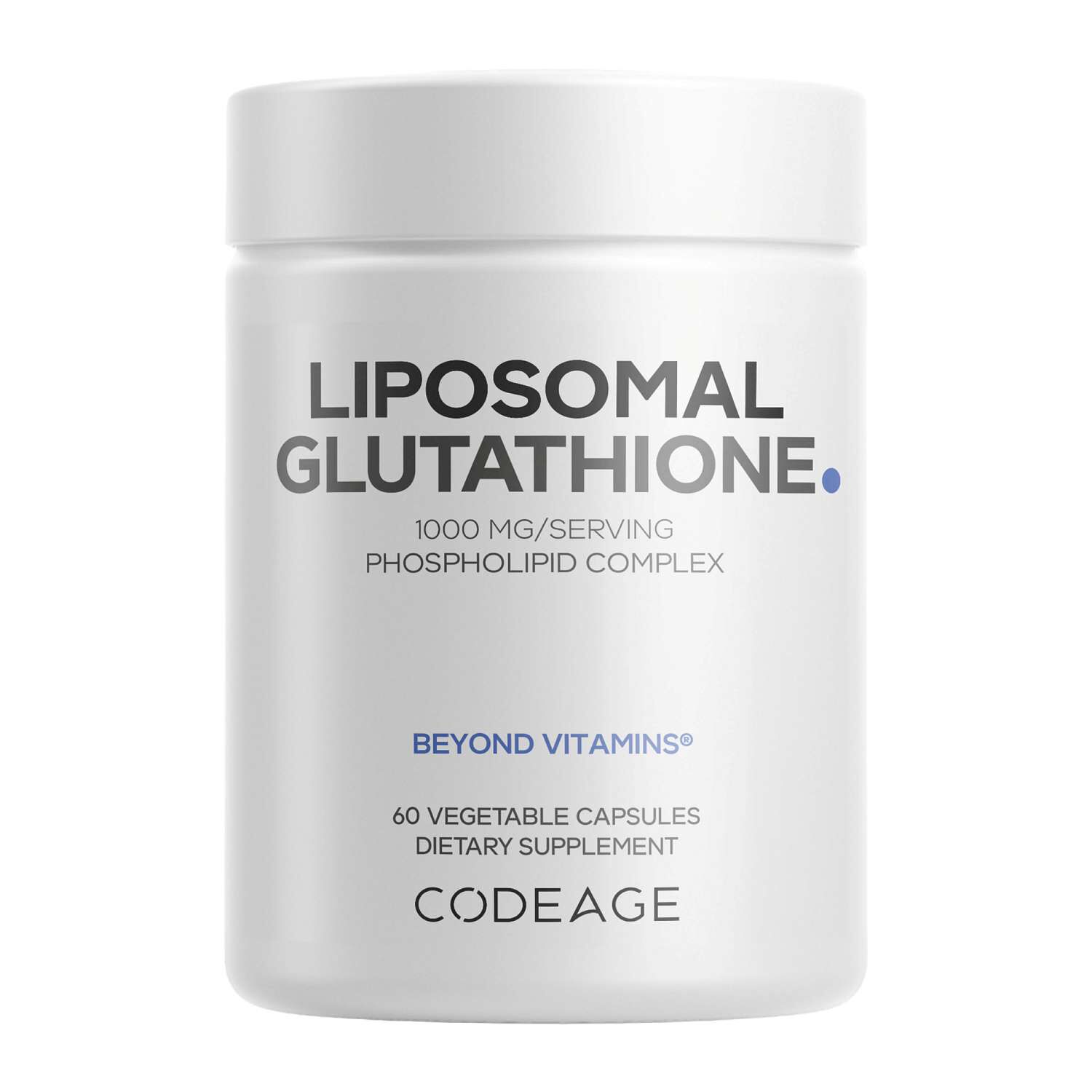
liposomal glutathione patch Codeage 1,000mg - 60 Capsules Skin Whitening Treatment Gujrat Variant:BPC 157 ARG - 250mcg (60 Capsules) brightening soap
Skin Whitening Treatment Gujrat | Skin Whitening Injection Gujrat
Electron Transport Chain Components Protein Complexes and Mobile Carriers Electron transport chain comprises four main protein complexes (I-IV) embedded in the inner mitochondrial membrane Two mobile electron carriers facilitate electron transfer between complexes Ubiquinone moves within the lipid bilayer Cytochrome c travels along the outer surface of the inner membrane Complex I (NADH dehydrogenase) oxidizes NADH and transfers electrons to ubiquinone while pumping protons Complex II (succinate dehydrogenase) oxidizes FADH2 and transfers electrons to ubiquinone without proton pumping Complex III (cytochrome bc1 complex) transfers electrons from ubiquinone to cytochrome c while pumping protons Complex IV (cytochrome c oxidase) transfers electrons from cytochrome c to oxygen, reducing it to water, while pumping protons ATP Synthase and Energy Production ATP synthase (sometimes called Complex V) utilizes the proton gradient to synthesize ATP Converts ADP and inorganic phosphate into ATP through rotational catalysis Consists of two main parts F0 portion embedded in the membrane F1 portion protruding into the matrix Proton flow through F0 drives rotation of the central stalk Rotation of the central stalk causes conformational changes in F1, leading to ATP synthesis Can produce up to 3 ATP molecules per full rotation (depending on conditions) Electron Flow and Redox Reactions Electron Entry and Pathway Electrons primarily enter the chain from NADH at Complex I or FADH2 at Complex II Both are products of earlier metabolic processes (glycolysis, citric acid cycle) Electron flow follows a sequence of increasing reduction potential Starts at -320 mV (NADH) Ends at +820 mV (O2/H2O) Ubiquinone shuttles electrons from Complexes I and II to Complex III through the lipid bilayer Cytochrome c transfers electrons from Complex III to Complex IV along the outer membrane surface Redox Reactions and Final Electron Acceptor Each complex undergoes a series of redox reactions Accepts electrons from the previous carrier Passes electrons to the next carrier Iron-sulfur clusters, heme groups, and copper ions serve as prosthetic groups for electron transfer Molecular oxygen acts as the final electron acceptor at Complex IV Reduced to water, completing the electron transport process Overall reaction: Proton Gradient Generation Chemiosmotic Coupling Electron transport chain couples to proton pumping through chemiosmotic coupling Complexes I, III, and IV use energy from electron transfer to pump protons Protons move from mitochondrial matrix to intermembrane space Creates both chemical gradient (pH difference) and electrical gradient (membrane potential) Combined electrochemical gradient known as proton-motive force Typically 180-200 mV under physiological conditions Proton Pumping Efficiency Efficiency of proton pumping varies among complexes Complex I pumps 4 H+ per pair of electrons Complex III pumps 4 H+ per pair of electrons Complex IV pumps 2 H+ per pair of electrons Total of 10 protons pumped per pair of electrons from NADH to oxygen Proton gradient drives ATP synthesis by ATP synthase Gradient also used for other mitochondrial processes (protein import, metabolite transport) Chemiosmotic Theory and Relevance Fundamental Principles Proposed by Peter Mitchell in 1961 to explain coupling of electron transport to ATP synthesis Energy released by electron transfer creates proton gradient across membrane Proton gradient serves as intermediate form of energy storage Links exergonic process of electron transport to endergonic process of ATP synthesis Applies to mitochondria, chloroplasts, and bacteria Demonstrates fundamental importance in bioenergetics Applications and Implications Explains action of uncouplers (compounds that dissipate proton gradient) Separates electron transport from ATP synthesis Leads to heat production (thermogenesis in brown adipose tissue) Crucial for understanding various physiological processes Mitochondrial diseases affecting electron transport chain Action of certain antibiotics on bacterial membranes (ionophores) Provides basis for understanding cellular energy metabolism Helps explain metabolic flexibility and adaptation to different energy states
brightening soap
Variant:BPC 157 ARG - 250mcg (60 Capsules)
+ Với 5 tem tích điểm bạn nhận được 01 Hộp Lcystine - USA đẹp da móng tóc trị giá 125.000đ và voucher giảm giá 5% cho lần mua hàng tiếp theo